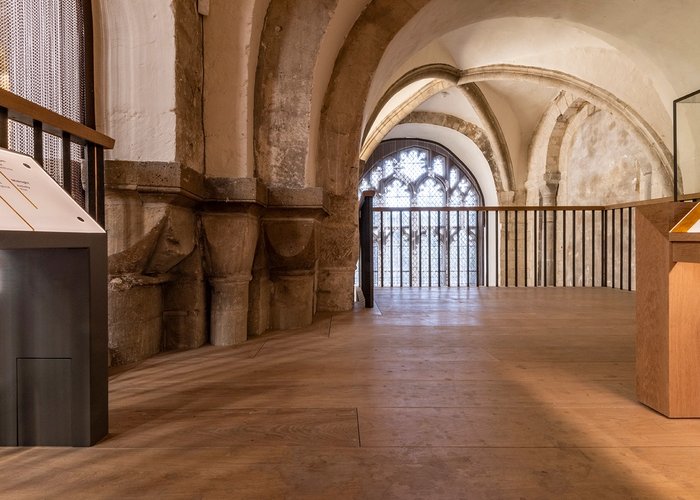
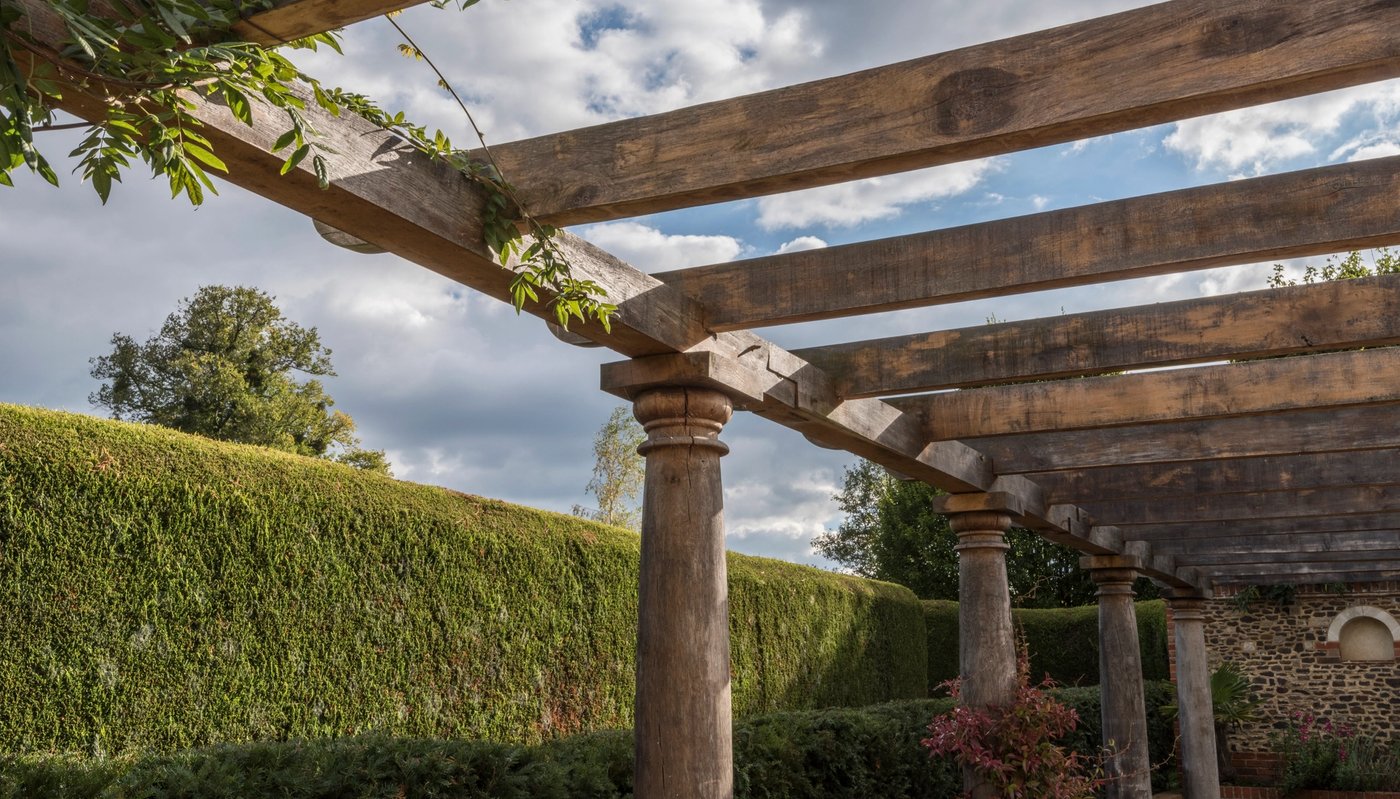
The main difference between green oak and seasoned oak is their moisture content and how stable they are. Which one you choose depends on what your project needs. Green oak is freshly cut and has a high moisture content, usually between 30% and 80%. This makes it flexible, affordable, and great for building large, self-tightening timber frames outside. On the other hand, seasoned oak is air-dried for several years and has a much lower moisture content, around 15% to 20%. This makes it stable and settled, so it is ideal for indoor joinery, flooring, or restoration work where you want to avoid any movement.
Whether you are starting a self-build, restoring a historic building, or planning a custom home extension, choosing the right material is key to making your structure last and look good. At Whippletree, we see English oak as more than just wood... it is part of a tradition. We are committed to full traceability from the forest to the finished product, so every beam has its own story. One of the most common questions we hear from architects and builders is whether to use green oak or seasoned (air-dried) oak. Knowing the differences between these two types of timber is important for a successful project.
Unpacking Green Oak: Character and Strength
Green oak is not named for its colour, but for how fresh it is. It is cut just a few months after the tree is felled, so it keeps much of its natural moisture. This high water content gives green oak special qualities. Since it is soft and flexible, craftsmen find it easy to saw, drill, and shape it into detailed joints right on site.
Green oak is a natural material that changes over time. After it is installed, it slowly dries out over several years and shrinks across the grain. This drying process causes cracks and splits, known as "shakes." These are not flaws; they give oak its classic, rustic look. As the wood dries, it also becomes harder and stronger.
Understanding Seasoned Oak: Stability and Precision
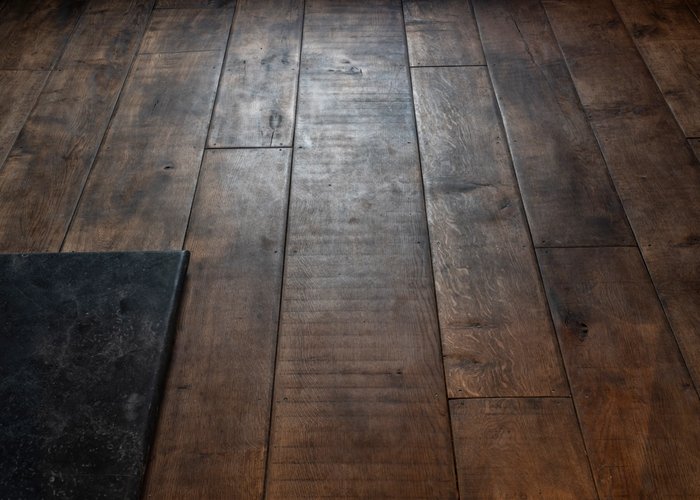
Seasoned oak, also called air-dried oak, is wood that has been cut and left to dry naturally in well-managed stacks. This process takes time; oak usually dries at about one inch per year. While it is drying, the wood does most of its shrinking and splitting in the yard, not in your building.
When seasoned oak beams reach a moisture content of 15% to 20%, they become stable and will not move much any longer. This makes them very reliable. Seasoned oak is much harder to work with than green oak and needs sharp tools and skilled joiners, but it allows for a level of precision that fresh wood cannot provide.
Where Green Oak is the Better Choice: Traditional Timber Framing
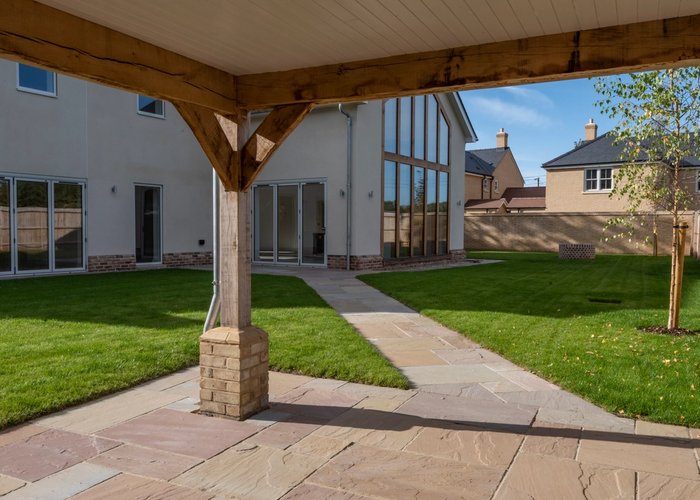
Green oak is the best choice for new, stand alone timber-framed buildings like traditional oak barns, garages, or large home extensions.
For example, when building an oak-framed garden room, craftsmen cut joints in green wood and use seasoned oak pegs in slightly offset holes. This traditional method is called draw-boring. As the green oak dries and shrinks over the years, it tightens around the dry pegs. The joints become very strong, pulling the whole structure together and making it very sturdy. If you tried this with seasoned oak, it would be too hard to work with on a large scale, and you would not get the same self-tightening effect.

Where Seasoned Oak is the Superior Choice: Internal Joinery and Brickwork Renovation
On the other hand, seasoned oak is clearly the best option for indoor joinery or adding structural beams to existing brick or stone walls.
If you are renovating an old cottage and need to replace a rotten fireplace lintel or add beams to a brick wall, using green oak would cause problems. The wood would shrink and twist over time, pulling away from the masonry and possibly cracking the brickwork or plaster. Using air-dried seasoned oak instead gives you a stable beam that will not move, so your plaster and brickwork stay in good shape. Seasoned oak is also important for indoor floors, doors, and window frames, where even small changes in size could cause drafts, sticking, or gaps.
Conclusion: Sourcing Quality for Generations
In the end, neither type of timber is always better than the other. Each one is suited to different building needs. Green oak is great for projects that benefit from natural movement and strong, characterful frames. Seasoned oak is best when you need precise finishes and long-lasting stability.
At Whippletree, we are proud to offer high-quality, sustainably sourced English oak that is tailored to your project’s needs. Whether you want the rustic look of green oak beams or the proven stability of air-dried timber, our full traceability means you can trust the quality. Contact our team today to talk about your next project.