
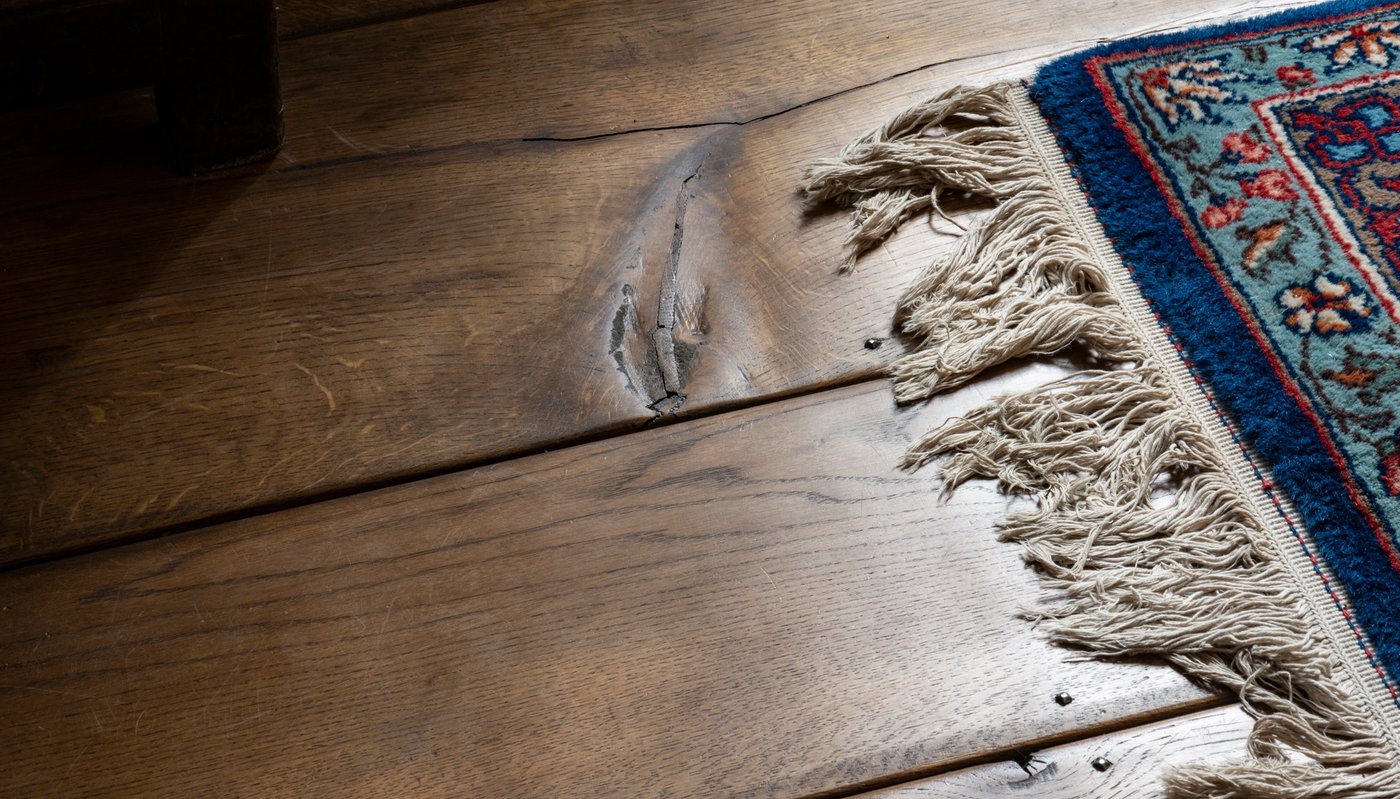
To discover the best ways to make English Oak perform at its optimum, architects, builders, and specifiers must look beyond the initial timber grade and focus on how the wood interacts with its final environment. English Oak is a dynamic, organic material that naturally expands and contracts with changes in temperature and relative humidity. Achieving peak performance is not about forcing the wood to remain entirely static; rather, it requires precisely analysing environmental data, accurately managing moisture content, and designing structures that safely accommodate natural timber movement.
Why Does English Oak Move After Installation?
Wood is hygroscopic, meaning it acts like a sponge, absorbing and releasing moisture to maintain equilibrium with the surrounding air's relative humidity. When air is damp, oak expands; when the heating goes on, and the air dries out, it shrinks.
If a designer fails to account for this cycle, several structural and aesthetic issues can occur:
- Cupping and Crowning: Board edges curl upward, or the centre bulges due to uneven moisture levels between the top and bottom of the wood.
- Gapping: Wide gaps open up between boards during dry winter months.
- Structural Binding: In timber frames, excessive movement can cause doors, windows, and joints to stick or bind.
Understanding these physical realities is the first step toward making sure your English Oak stands the test of time.
How Do You Control Moisture Levels in Structural Timber?
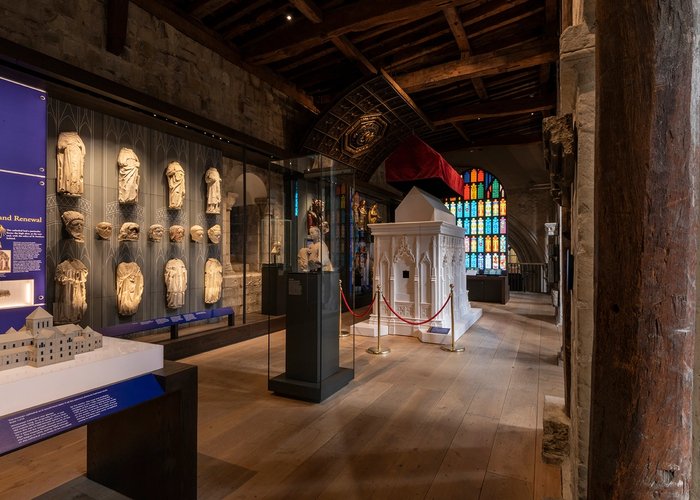
Achieving stability starts at the sawmill. Freshly felled “green” oak contains high levels of moisture, making it highly pliable and perfect for traditional timber-framed buildings, where joint shrinkage over time locks the frame together. However, for internal joinery, flooring, or modern heated spaces, green oak is entirely unsuitable.
For indoor applications, the oak must be carefully seasoned. At Whippletree, the traditional rule of thumb is strictly followed: one year of natural air-drying for every inch of timber thickness. This slow, patient process reduces internal stresses. For demanding modern interiors with central heating or underfloor heating, the timber is then transferred to specialised biomass-fired kilns. This process gently coaxes the moisture down to a precise percentage, usually between 8% and 11%, ensuring the boards remain exceptionally stable once installed.
What Can We Learn From the Winchester Cathedral Restoration?
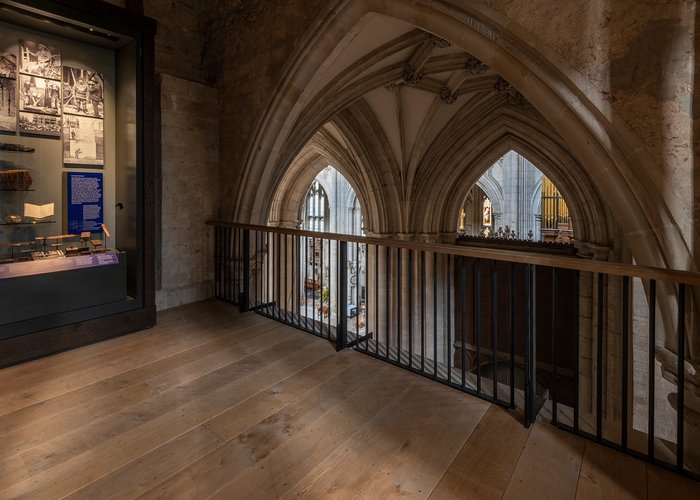
The theory of moisture control is best demonstrated through real-world applications. During the prestigious South Transept renovation at Winchester Cathedral, the project team faced a unique challenge.
The cathedral features exceptionally thick stone walls without modern damp-proofing, resulting in a naturally cool, fluctuating humidity. The architects (Nick Cox Architects) and contractors (Owlsworth IJP) needed to install massive, unsealed solid English Oak floorboards measuring up to 240mm and 290mm in width. The central question was: At what moisture content should the timber be supplied to prevent severe warping, and how could seasonal movement be safely managed?
The Scientific Approach to Timber Movement
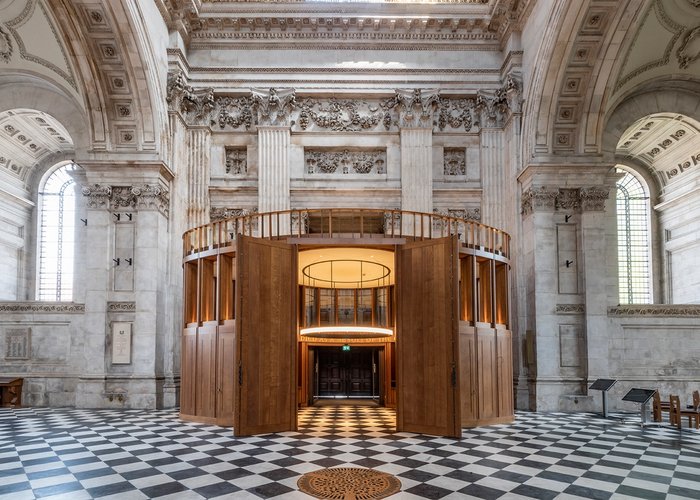
Rather than guessing, Whippletree’s specialist oak consultancy worked closely with the cathedral’s building team to analyse 12 months of environmental data from the space.
By calculating that the wide boards would expand and contract by 1.2mm to 1.45mm from season to season, Whippletree prepared custom test samples. These boards were left inside the cathedral during the early stages of renovation. Regular monitoring showed zero cupping or structural failure.
Consequently, the final batch of English Oak was dried to this custom, scientifically backed moisture specification. Months after installation, site surveys confirmed that the wide boards remained perfectly flat and flawless.
How Does a Specialist Oak Consultancy Prevent Long-Term Failures?
Every historic hall, commercial workspace, and residential extension has its own unique microclimate. Working with a dedicated oak consultancy before ordering materials is the most reliable way to secure a successful outcome.
| Project Phase | Common Mistakes Without Consultancy | How Specialist Consultancy Solves It |
|---|---|---|
| Specification | Ordering standard "off-the-shelf" moisture grades. | Analysing local relative humidity and heating schedules to target precise moisture levels. |
| Sourcing | Using untraced timber with high internal tension. | Sourcing verified, sustainable British oak seasoned slowly over years. |
| Installation | Failing to allow adequate expansion gaps at walls and thresholds. | Providing clear expansion tolerances and tailored fixing recommendations. |
Investing in expert guidance prevents costly rectifications, timber splits, and structural buckling long after the contractor has left the site.
Whether you are designing a high-traffic public space or laying underfloor-heated residential flooring, partnering with experts who understand the life, movement, and science of native timber is key to unlocking the true potential of English Oak.
Contact us at Whippletree to find out how our oak consultancy can help with your next project.