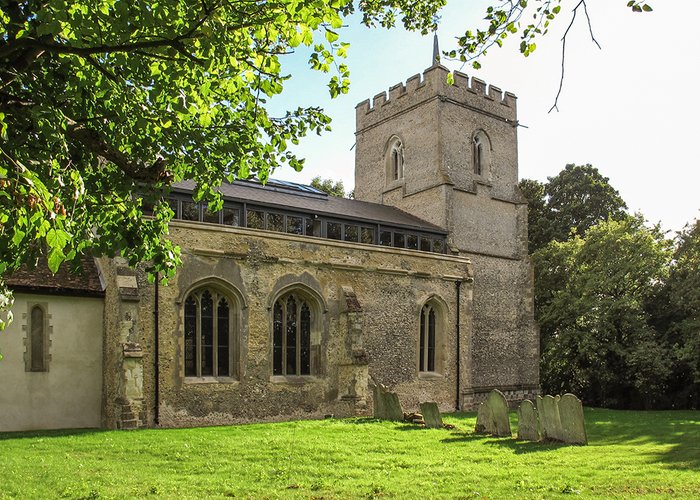
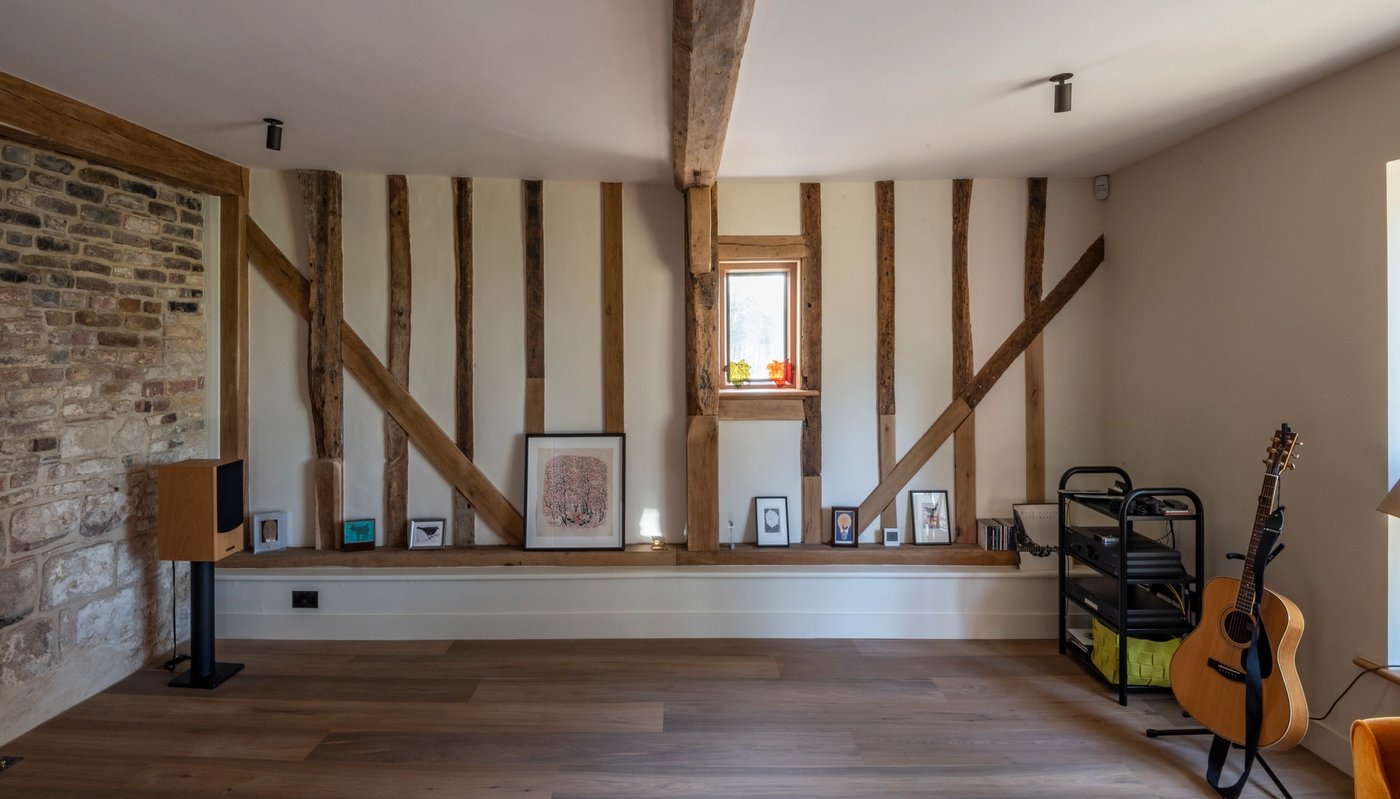
It is a well-known challenge for joiners in the UK, heritage restorers, and architects to obtain genuine English oak joinery products, since locally produced timber tends to have irregular seasoning, involves high waste during conversion, and has limited seasoned stock available.
Although European oak is generally imported as a standard commodity, native Quercus robur has its own character, a close grain, and a historical authenticity that imported boards cannot match. By working directly with Whippletree, you eliminate supply issues, the risk of hidden defects, and unpredictable drying times, and you gain access to more than 75,000 cubic feet of seasoned, traceable British hardwood for immediate conversion.
Why Is British Oak Sourcing Fraught with Wastage and Movement?
The main annoyance when buying joinery-grade native oak comes from the log's structure and how it is processed; unlike ordinary pine or engineered timber, felled oak has irregular bark edges, sapwood, and heart shakes.
- Wastage is significant: when you buy traditionally waney-edged boards, wastage usually ranges from 40% to 100%. You can cut usable volume by half before machining starts by removing unwanted sapwood and edging the boards.
- When oak dries too rapidly or unevenly, it develops case-hardening, honeycombing, and internal stresses that are released when the wood is sawn on a saw bench, damaging the components intended to be joined.
- The buyer remains responsible for any risk of internal rot, ring shakes, and knot clusters when purchasing waney-edged packs.
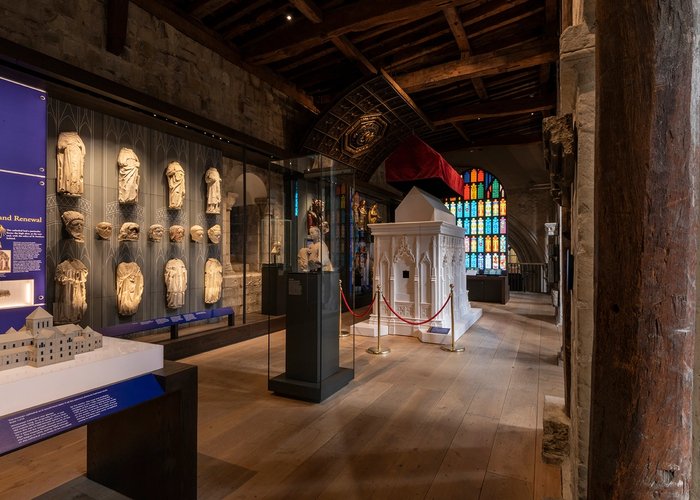
How Does Air and Kiln Seasoning Affect English Oak Joinery?
Joinery timber should match the relative humidity of where it will ultimately be located; for example, the moisture level required for an external casement frame differs from that needed for interior panelling installed above underfloor heating.
Whippletree manages this through a disciplined, two-stage seasoning protocol:
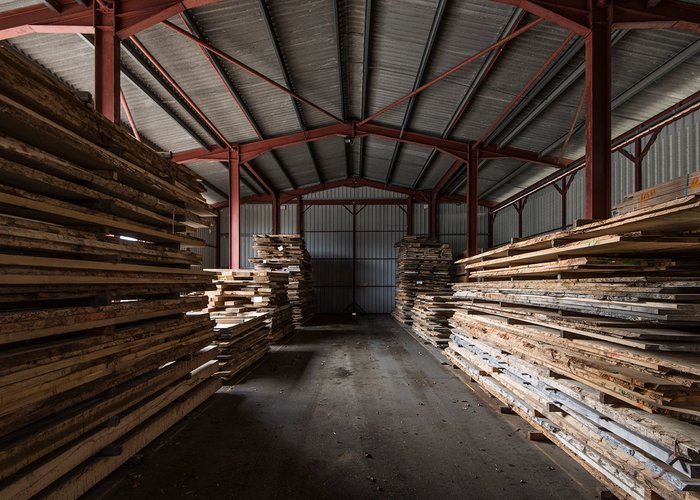
- Natural Air-Drying: Timber is sawn “through and through” to capture grain structure and stacked carefully on drying sticks. It seasons outdoors under cover at the traditional rate of one year per inch of thickness. This slow moisture release relaxes timber stress and preserves the rich colour tones native to English oak.
- Controlled Kiln-Drying: Timber intended for heated interior joinery moves into dedicated kilns. Moisture levels are systematically reduced to an equilibrium range of 9% to 11%, preventing subsequent shrinkage, bowing, or cupping once fitted in contemporary, centrally heated buildings.
| Specification Parameter | Standard Green / Fresh Cut | Whippletree Air-Seasoned Joinery | Whippletree Kiln-Dried Joinery |
|---|---|---|---|
| Moisture Content | > 30% | 15% – 18% | 9% – 11% |
| Primary Use | Heavy structural framing | External gates, outbuildings, stable doors | Internal doors, architraves, staircases, cabinetry |
| Available Thickness | Beam sections up to 300mm+ | Up to 6" (150mm) sawn stock | Standard and heavy joinery boards |
| Risk of Movement | High (shrinks in situ) | Moderate / Weather-balanced | Minimal (environment-adapted) |
Which method, Waney Edge or Sawn to Size, offers better protection for your margin?
Joinery workshops often debate whether to buy fully waney-edged boules or have the timber cut to a strict cutting list, a decision that affects how they spend workshop time.
Through Whippletree’s joinery products and sawn-to-size service, workshops submit their exact schedules. Whippletree converts the waney logs at its Milestone Farm mill in Hertfordshire:
- Boards come ready with two straight, parallel edges, so they can go straight into the thicknesser, skipping the preliminary conversion.
- We remove the sapwood and split hearts and then charge you only for the usable wood.
- Whippletree takes responsibility for any defects: if a board shows signs of internal shakes or rot during conversion, it remains at the mill, protecting your material budget.
- Fixed prices give clear estimates that show exact results. This keeps client quotes predictable.
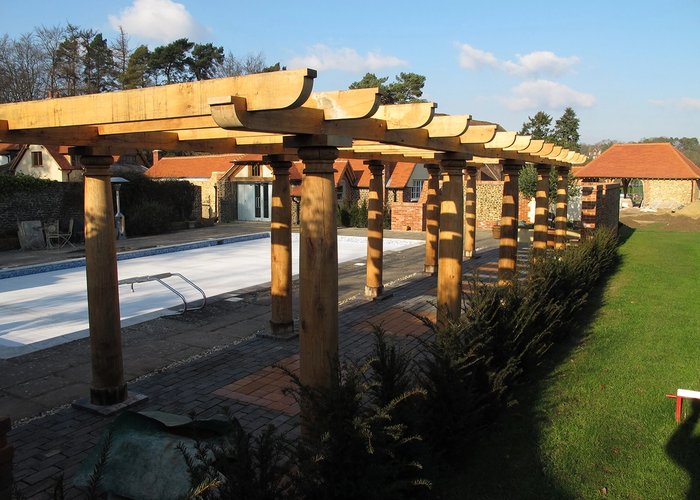
Hypothetical Real-World Perspective: Restoring a Grade II* Fenestration Schedule
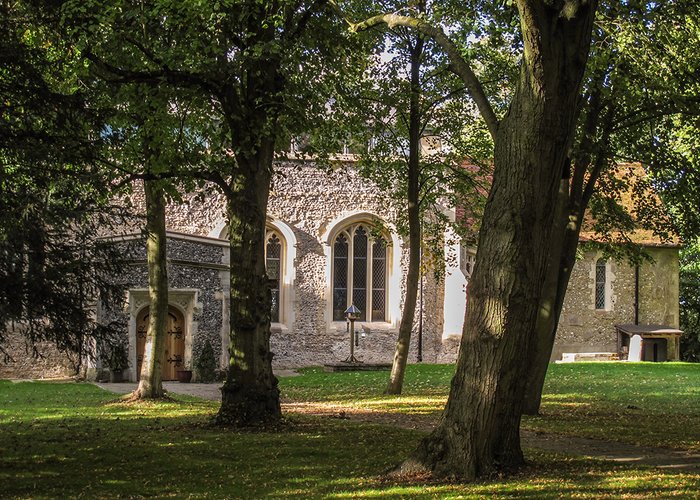
Suppose a specialist joinery business is employed to produce 28 traditional flush-casement windows and two heavy entrance frames for a Grade II* listed manor in Cambridgeshire; the conservation officers require that British Quercus robur should be used in order to match the existing seventeenth-century wood, and so French or Polish types are excluded.
Getting 120 cubic feet of seasoned English oak, in sizes of 75mm (3") and 100mm (4"), from a number of dispersed suppliers usually takes weeks of phoning around in the region and generally results in mixed batches having irregular moisture content.
By turning to Whippletree’s standing yard of 75,000 cubic feet:
- Immediate stock matching: We select heavy 3" and 4" seasoned boards from stock that has completed multi-year air seasoning.
- Precision conversion: Timber is edged and cross-cut directly to the workshop’s window schedule, eliminating off-cut waste in the client’s shop.
- Traceable provenance: Detailed chain of custody satisfies local planning authorities and conservation officers demanding authentic domestic timber.
How can you obtain English oak with complete confidence?
To obtain reliable timber, you need to evaluate lead times, grain suitability, and exact dimensions. When you are specifying or producing heritage windows, external doors, custom staircases, or commercial fit-outs, you should not waste workshop time testing untested green packs or using defective logs.
Find out more about our full range of joinery products or contact our specialist timber team at our Hertfordshire yard on 01763 208966 to discuss your cutting schedule and receive a fixed-price quotation.